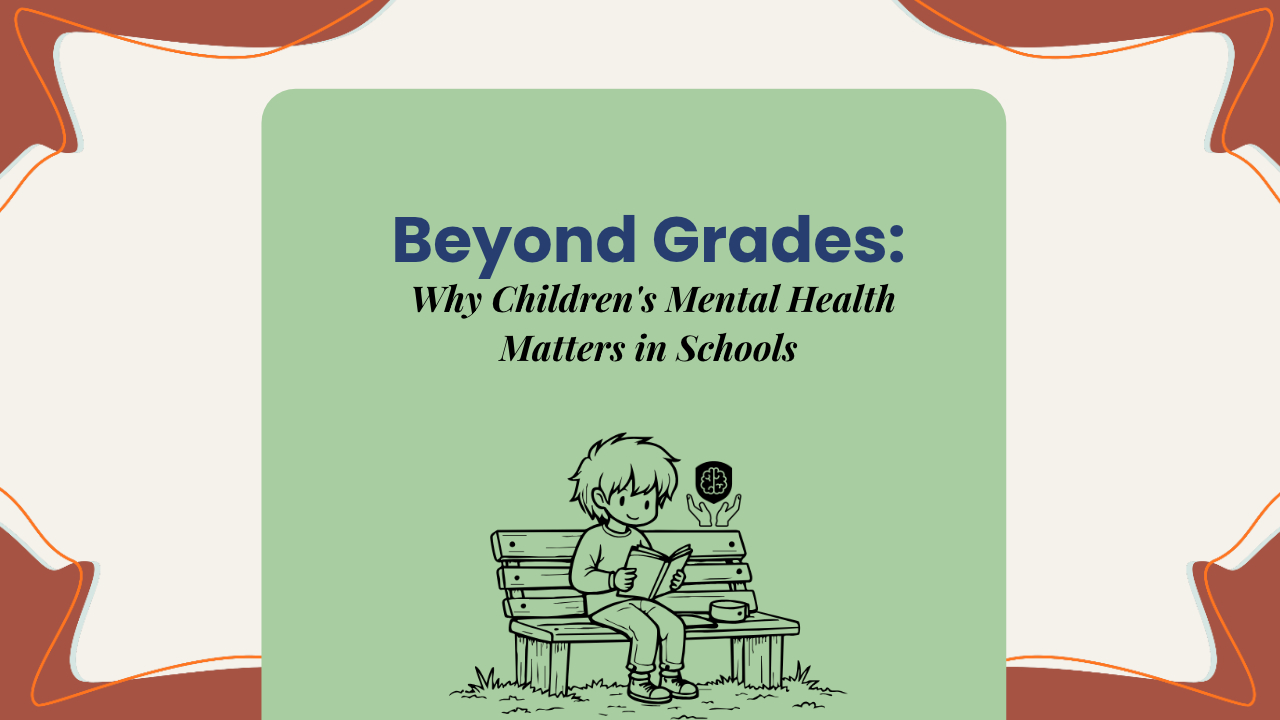
School is not just a place where children learn subjects and prepare for examinations. It is also where they build friendships, develop confidence, experience failure and learn to understand their emotions. Yet, in the focus on academic performance, children's emotional wellbeing can sometimes be overlooked.
Children's behaviour often communicates what they cannot express in words. A child who frequently gets angry, refuses to complete work, withdraws from friends or cries over small difficulties may be struggling with something they do not know how to communicate.
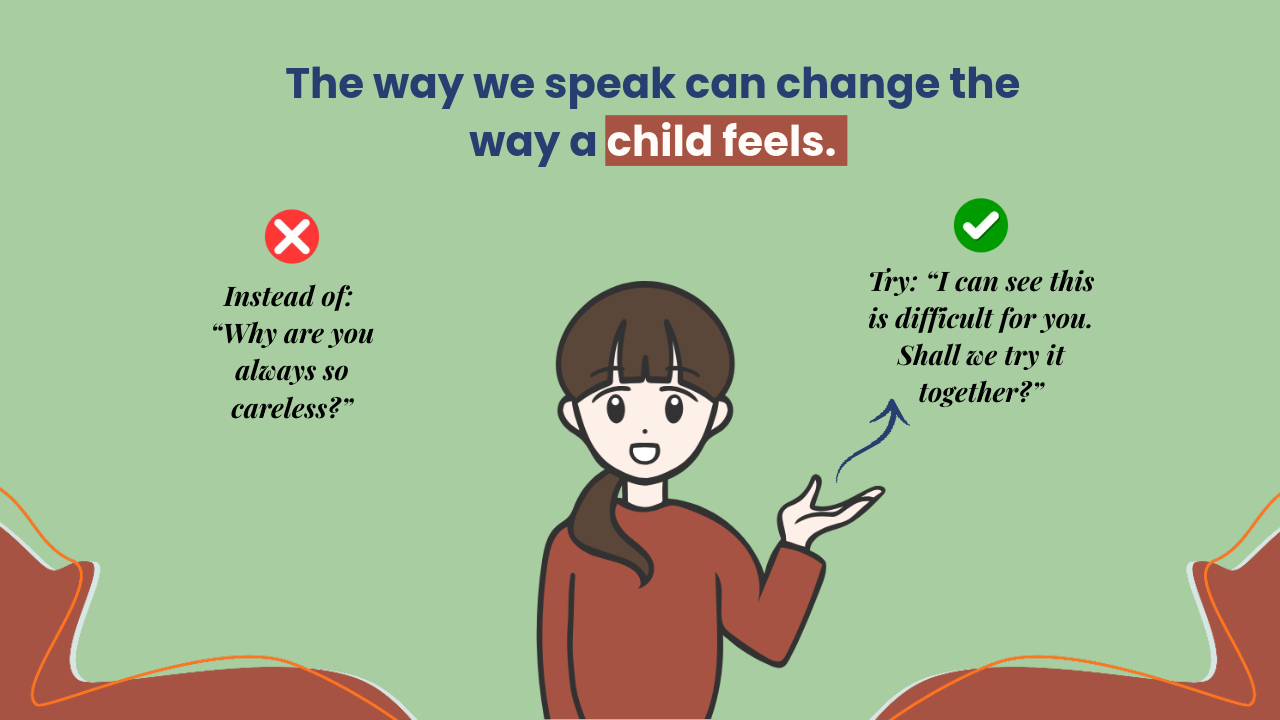
Instead of immediately labelling a child as naughty, lazy or overly sensitive, we can pause and ask: What might this child be trying to tell us?
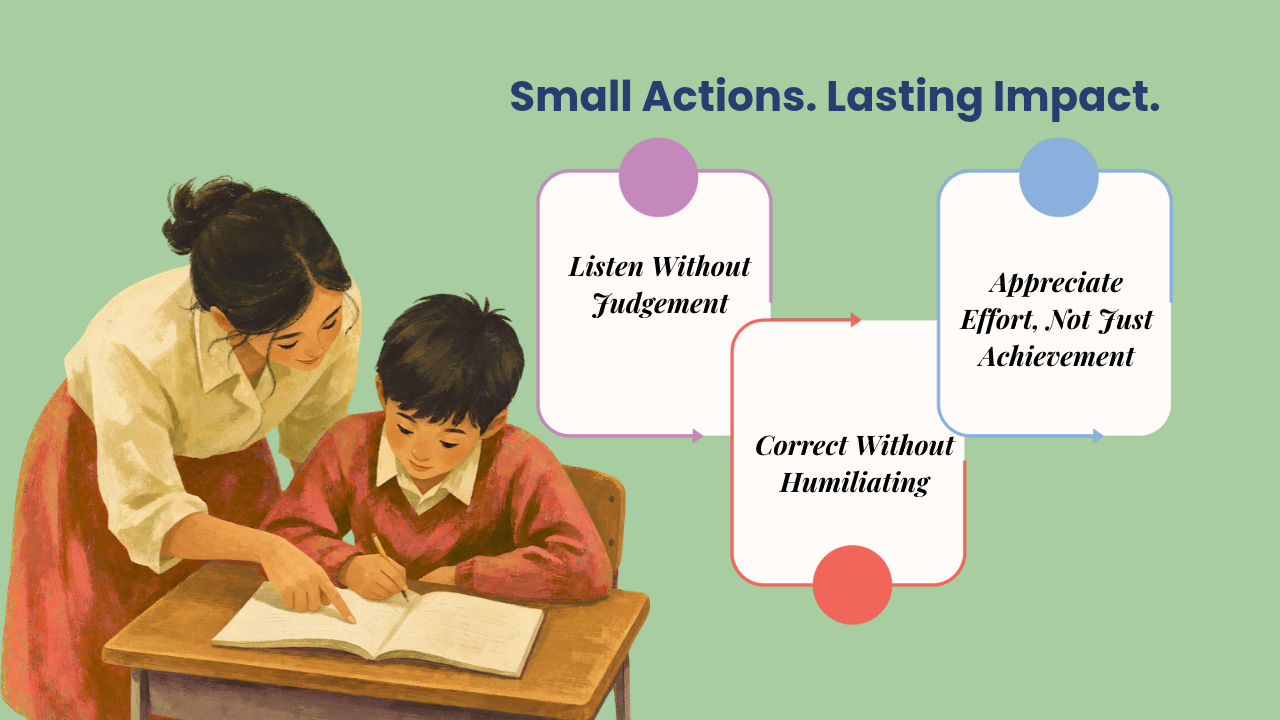
Teachers - the adult in the room, play an important role in recognising these difficulties. Small actions, such as listening without judgement, correcting behaviour without humiliation and appreciating effort rather than only achievement, can help children feel supported.
Supporting children's mental health is a shared responsibility. Parents, teachers, school counsellors and school leaders can work together to create environments where children feel safe expressing their concerns and seeking help when needed.