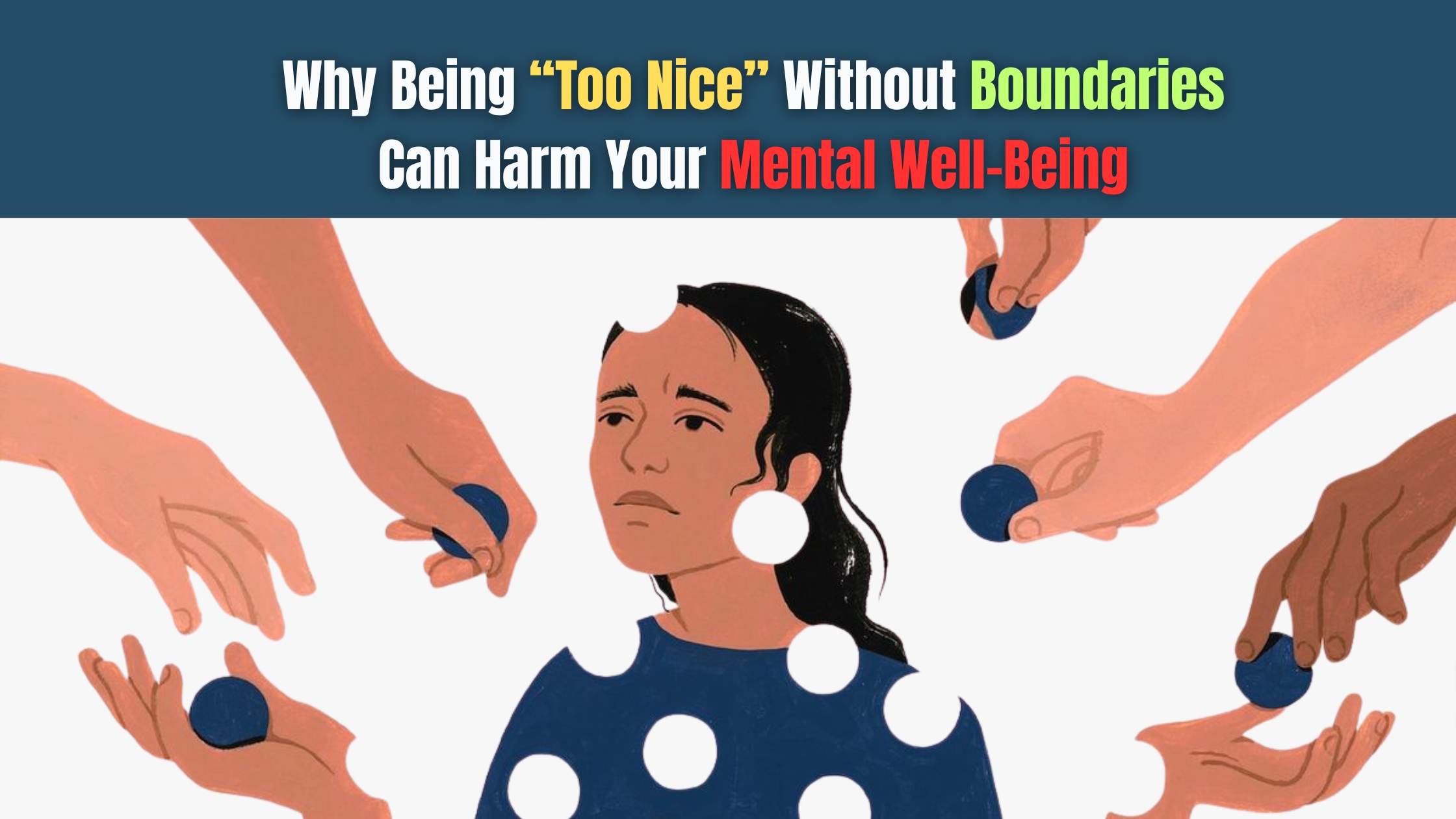
For most of my life, even the simplest “no” felt impossible to say. The moment I considered declining a request, my chest would tighten and guilt would silently take over. Whether it was skipping a gathering, asking for space, or choosing rest over one more favor, I found myself caught in the same loop of questions: Am I being selfish? Am I disappointing someone?
For a long time, I equated kindness with constant availability. I believed being a “good” person meant always being helpful, agreeable, and accommodating. Saying yes felt like the right thing to do.
It took years of reflection to arrive at a difficult but necessary truth:
Being too nice without boundaries can slowly erode your mental well-being.
When Kindness Turns Into People-Pleasing
Kindness is a deeply valuable quality. But sometimes, what we call kindness can actually also turn into people-pleasing : a pattern where we place others’ needs, comfort, and approval above our own.
This tendency often begins early. We may have been praised for being “easygoing” or “the helpful one.” Perhaps saying “no” was discouraged, or conflict felt unsafe. Over time, we internalize the belief that our worth lies in how much we give, agree, and accommodate.
But when we consistently prioritize others, we begin to abandon ourselves.
The Hidden Cost of Always Saying “Yes”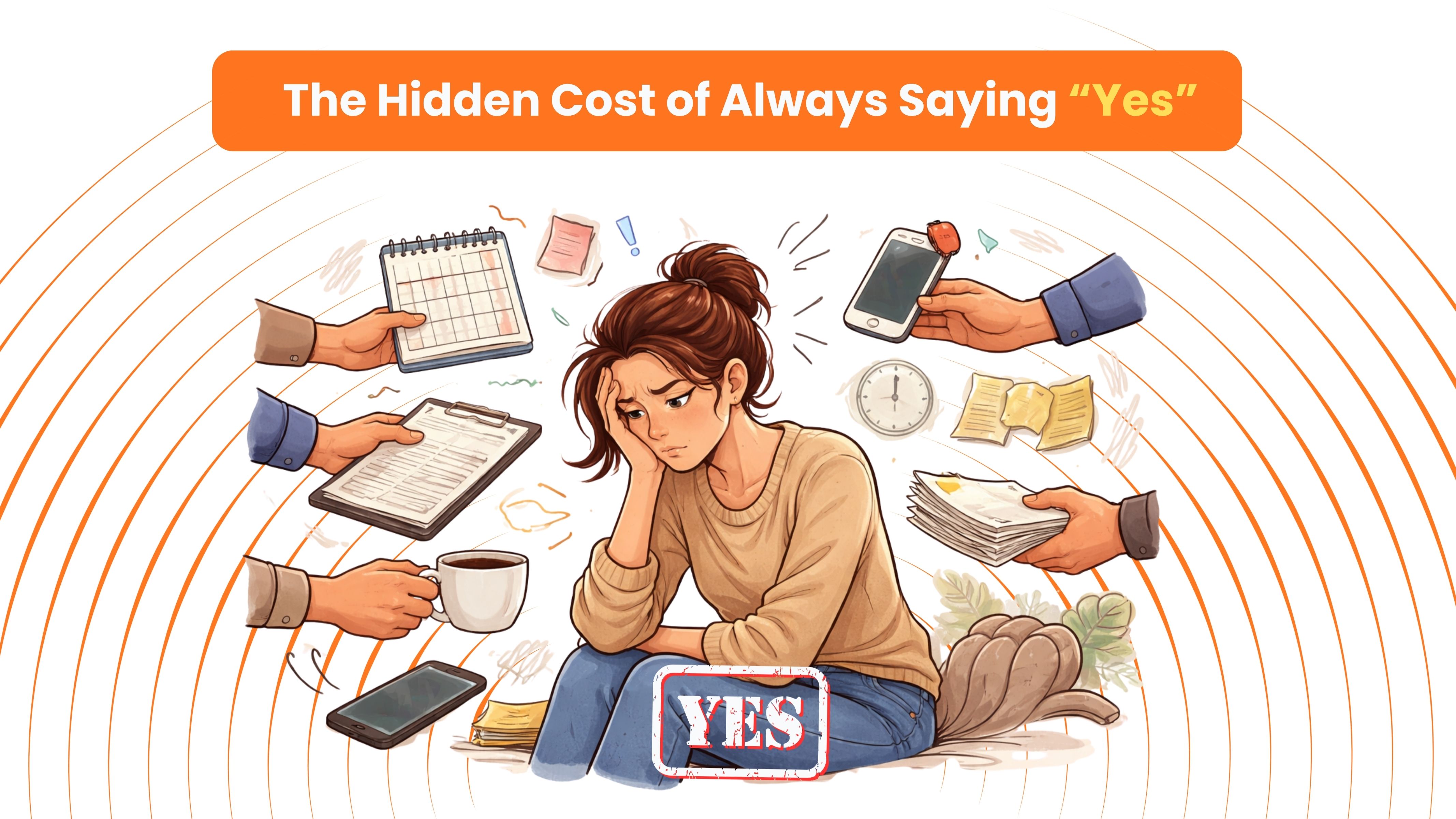
At first, being agreeable can feel rewarding. People appreciate our reliability and willingness to help. But over time, the cost becomes harder to ignore.
Without boundaries, we may experience:
- Emotional exhaustion from constantly meeting others’ expectations
- Burnout from overcommitting ourselves
- Resentment toward others (even when we said yes)
- A loss of personal identity, as our own needs take a back seat
- Increased stress and anxiety
There’s a quiet irony here: in trying to keep everyone else comfortable, we often leave ourselves depleted.
I remember moments when I would say yes with enthusiasm, only to feel drained and irritable afterward. Eventually, I had to confront an uncomfortable truth: I wasn’t choosing freely - I was responding to guilt and the fear of disappointing others.
What Boundaries Really Mean
Often, the hardest part of setting boundaries isn’t saying “no”, it’s what comes after.
Our minds fill with doubt:
- They’ll think I don’t care.
- What if they’re upset with me?
- What if they stop liking me?
These thoughts are powerful because they are rooted in our need for approval and belonging.
But over time, I noticed something important: The people who truly respected me also respected my boundaries.
And those who didn’t revealed something deeper about the relationship—not about my “no.”
The Fear Behind Saying “No”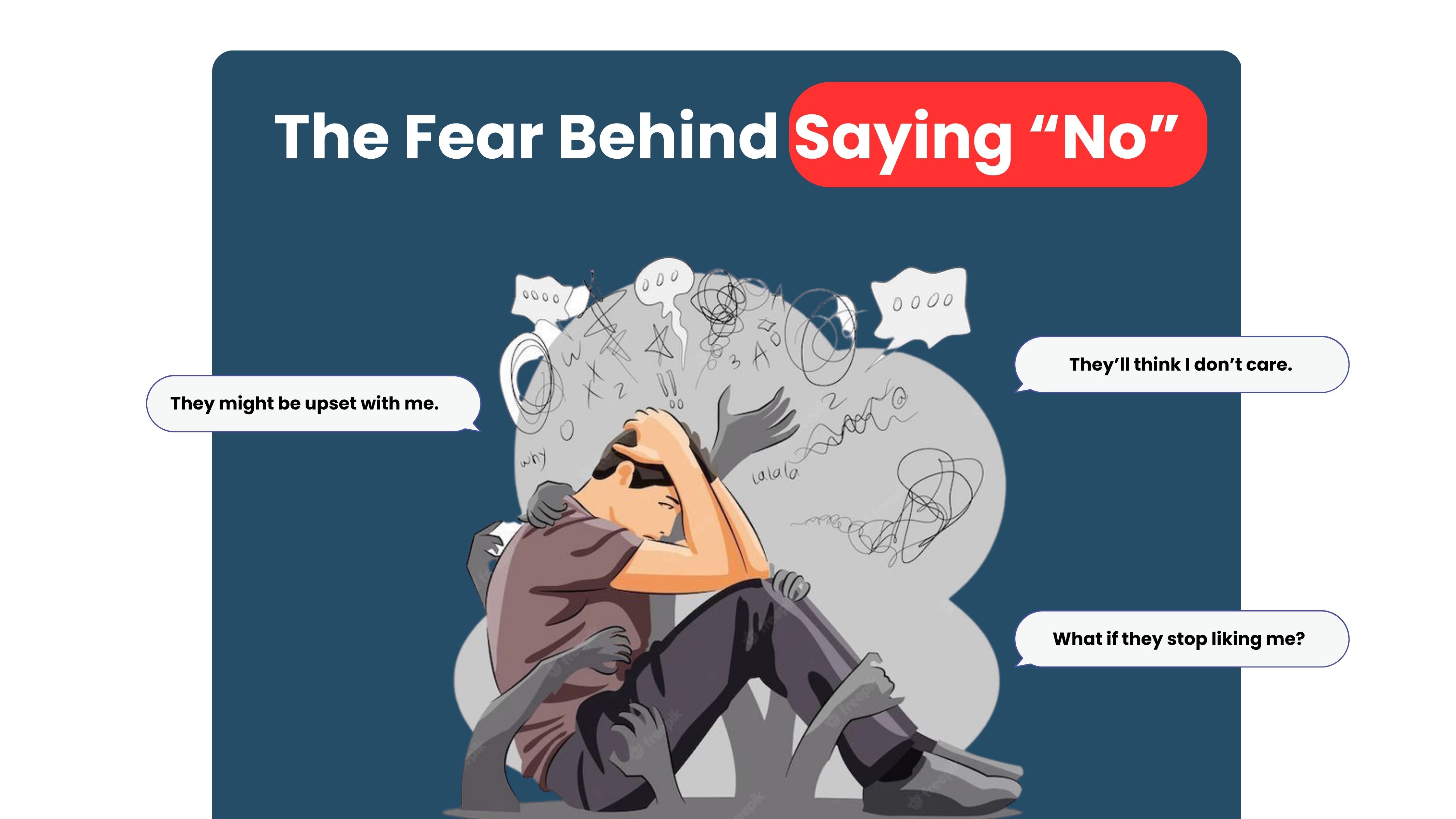
One of the hardest parts about setting boundaries isn’t the act itself, it's the thoughts that follow.
After saying no, our mind often fills with doubts:
- They’ll think I don’t care.
- They might be upset with me.
- What if they stop liking me?
These thoughts are powerful because they come from deeply learned beliefs about approval and belonging. But over time, I realized something surprising: the people who truly respected me also respected my boundaries.
And the ones who didn’t? That told me more about the relationship than my “no” ever could.
The Power of a Simple “No”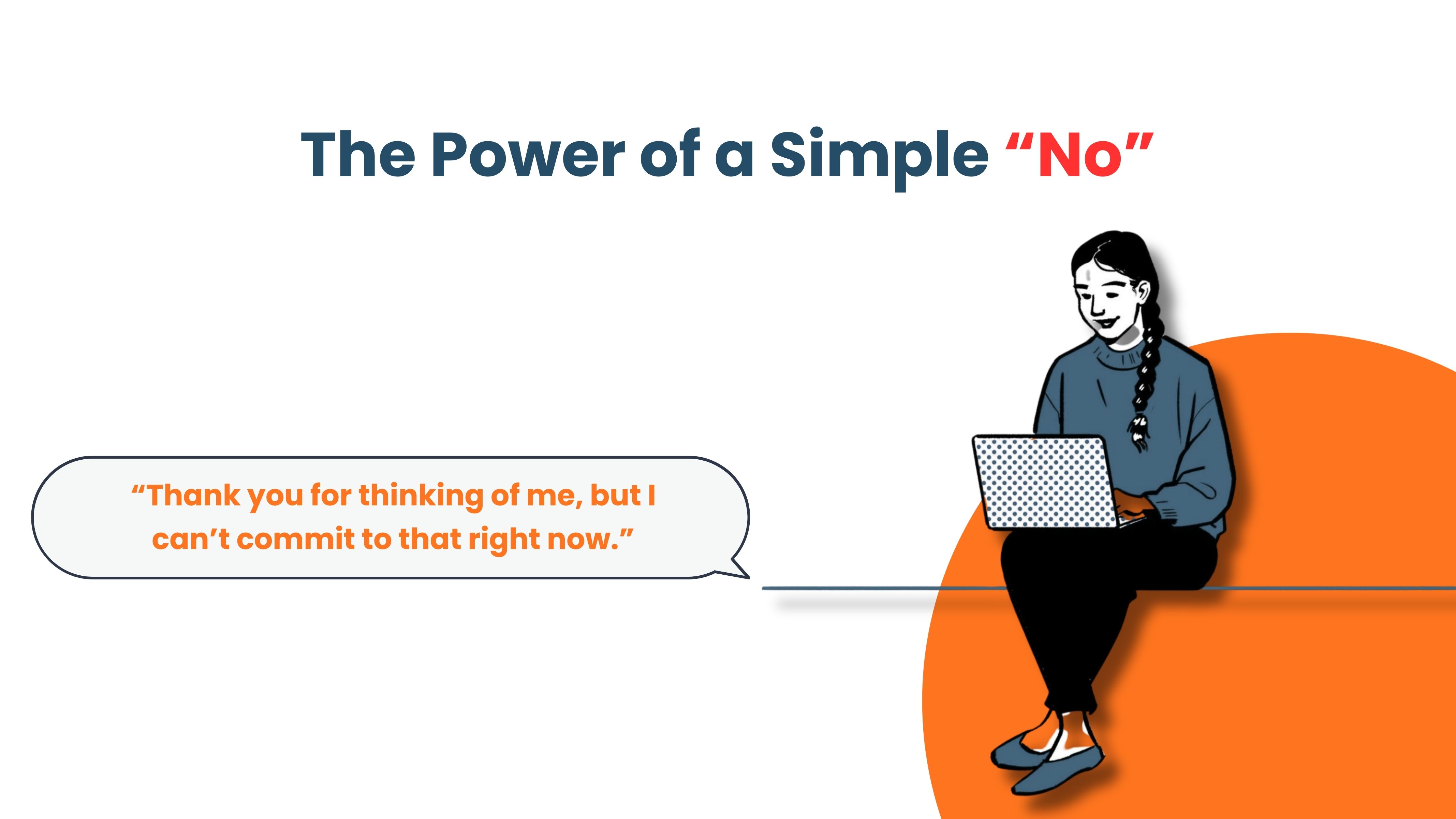
One of the most freeing realizations is that saying no doesn’t require a long explanation or justification.
Sometimes, a simple and respectful response is enough:
“Thank you for thinking of me, but I can’t commit to that right now.”
It’s clear, honest, and kind.
When we stop over-explaining or apologizing for our needs, we begin to reclaim something essential : our time, energy, and emotional space.
Learning to Set Boundaries Gently
If setting boundaries feels unfamiliar or uncomfortable, that’s okay. It’s a skill - one that takes time and practice.
You can begin with small, manageable steps:
- Pause before saying yes; give yourself time to check in with your capacity
- Start with low-pressure situations
- Use clear, kind language—without over-apologizing
- Accept that some discomfort is part of the process
At first, guilt may still show up. But with time, it gives way to something steadier: self-respect and inner calm.
Choosing Balance Over Approval
Being kind, supportive, and generous are beautiful ways of showing up in the world. But kindness should not come at the cost of your mental well-being.
When we try to be everything for everyone, we slowly lose connection with ourselves. Boundaries help restore that connection. They allow us to show up in relationships with honesty, clarity, and sustainability.
Instead of giving from obligation or exhaustion, we begin to give from a place of genuine choice and care.
And that kind of kindness - the kind that includes ourselves, is far more powerful.
Because in the end,
Having limits doesn’t make us selfish. It makes us human.